AI strategy for businesses | Increase efficiency and customer satisfaction without AI hype
Companies are investing heavily in digitalisation and artificial intelligence (AI). At the same time, we see an explosion of AI tools and young startups promising quick wins. In practice, the real impact often remains limited. Not because AI falls short, but because it is too often implemented without coherence, without process knowledge, and without experience in real business environments.
At Sevendays, we deliberately start from a different place. We have been developing digital solutions for companies since 2016: web applications, system integrations and process automation. For us, AI is not a hype or a standalone product, but a logical next step built on years of experience in how processes, data and people truly work together inside organisations.
That vision did not originate in an AI lab, but much earlier — on a production floor.
What a production environment teaches you about efficiency and AI
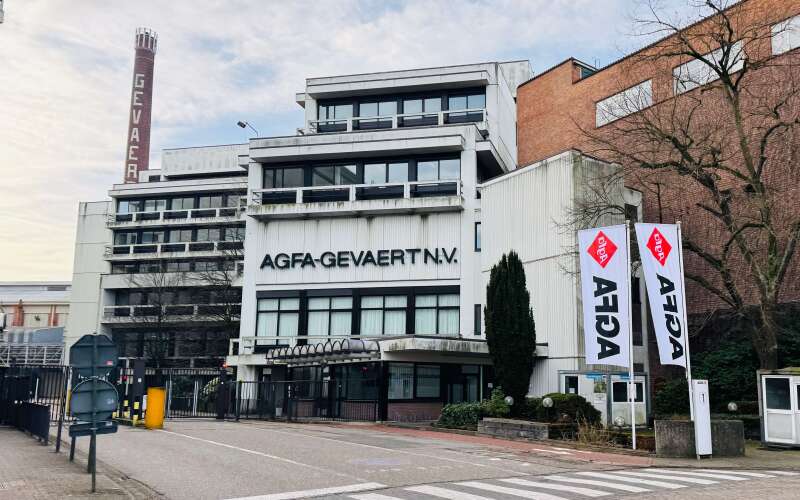
I spent my first professional years at Agfa Gevaert, where I worked for nine years as a production manager. In a production environment, processes are tangible, time is measurable and mistakes are immediately visible. That forces clarity and that mindset is essential when defining a sound AI strategy today.
Three principles from that period still guide my thinking every day:
1. Every second counts
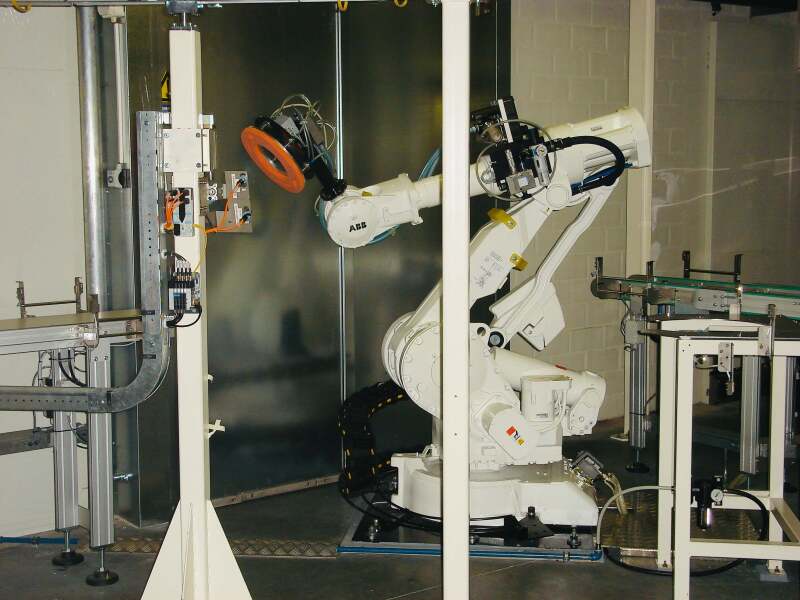
In production, time is literally money. Downtime, waiting times or manual detours have a direct impact on output and cost.
Today, we see the exact same pattern in service-driven organisations:
- employees lose hours on manual administration
- data is entered multiple times
- customers wait longer than necessary for answers
employees lose hours on manual administration
data is entered multiple times
customers wait longer than necessary for answers
Efficiency is therefore not about working harder, but about structurally removing wasted time from processes.

2. Every investment must deliver a realistic return
In production, you never invest without a clear payback period. ROI is not a marketing term, it is a prerequisite.
The same should apply to digital and AI projects. Too often, we still see solutions that are technically impressive but deliver little real business value.
At Sevendays, we always start from one simple question: what measurable value does this create?
Time savings, cost reduction, fewer errors or an improved customer experience.
3. Quality and service define customer satisfaction
In production, you may temporarily tolerate a quality issue. Customers will not. Poor quality always comes back — usually with additional costs, frustration and reputational damage.
The same applies to digital processes:
- incomplete or incorrect data
- inconsistent communication
- slow follow-up
incomplete or incorrect data
inconsistent communication
slow follow-up
Quality is not only about what you deliver, but also about how smoothly and correctly you communicate with your customers.

From technology to real business value with AI
These principles directly led to a clear choice at Sevendays.
Where many digital partners start from technology (AI tools, features, experiments), we consciously start from two core values:
- Working more efficiently
- Becoming more customer-friendly
Working more efficiently
Becoming more customer-friendly
Technology is never the goal, but the means.
The key question is not what can we build?, but which friction can we structurally remove through automation and integrations?
Human + machine: the right AI strategy for sustainable growth
We are at a turning point: not only technologically, but conceptually.
Too many AI initiatives still start from the question: “How do we replace this human task with a machine?” That seems logical, but rarely leads to scalable or sustainable solutions.
The better question is:
Which parts of this process belong with a machine, and which should explicitly remain human?
That shift often results in solutions that are structurally different from the original process and therefore far more powerful.

The second AI pitfall: standalone tools without data connectivity
Another common pitfall is the use of disconnected AI tools:
- one AI solution for customer service
- another tool for marketing
- a separate solution for reporting
one AI solution for customer service
another tool for marketing
a separate solution for reporting
Individually, these tools may generate local efficiency gains. Without coherence, however:
- data remains trapped in silos
- information must be re-entered
- insights start to conflict
data remains trapped in silos
information must be re-entered
insights start to conflict
The result is a fragmented landscape where the whole is worth less than the sum of its parts.
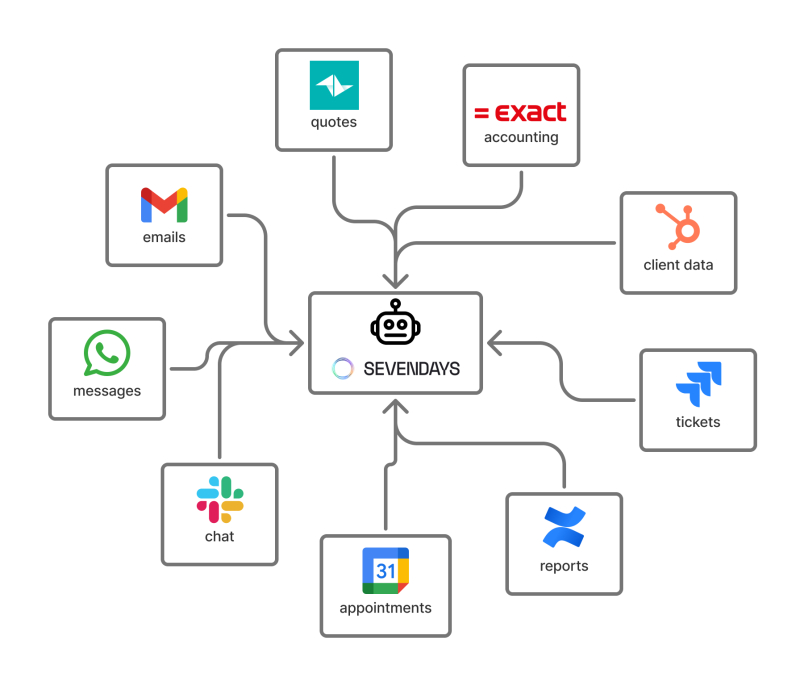
The real power of AI emerges only when data, processes and systems are connected through integrations and shared architecture. Just like in human teams, collaboration creates exponential value.
What machines do better and what humans will always do better
Machines do not need to imitate humans to be valuable.
AI and automation excel at:
- large-scale data processing
- pattern recognition
- repetitive and error-prone tasks
- consistent execution and follow-up
large-scale data processing
pattern recognition
repetitive and error-prone tasks
consistent execution and follow-up
When machines take over this work, space is created for what cannot be automated:
- interpretation and nuance
- empathy and trust
- creativity
- the chemistry between people
interpretation and nuance
empathy and trust
creativity
the chemistry between people
And that chemistry coincidentally something Agfa, as a chemistry company, knows a lot about, is where sustainable customer relationships are built.

How efficiency and customer experience reinforce each other
Efficiency and customer friendliness are often seen as opposites. In reality, they reinforce one another.
Well-designed and automated processes lead to:
- fewer errors
- shorter lead times
- better and more personal communication
fewer errors
shorter lead times
better and more personal communication
Efficiency is therefore not an internal optimisation exercise, but a precondition for a strong customer experience and a real competitive advantage.

Conclusion: a sustainable AI strategy requires experience, not hype
What started as a casual bike ride past my first employer confirmed a belief that is increasingly relevant for companies adopting AI today.
A strong AI strategy does not require blind faith in artificial intelligence. It does not rely on quick 1‑to‑1 automation or a jungle of disconnected tools.
It requires experience, coherence and leadership:
- rethinking processes before automating them
- consciously designing collaboration between humans and machines
- structurally connecting data and systems
- building technology on a solid digital foundation
rethinking processes before automating them
consciously designing collaboration between humans and machines
structurally connecting data and systems
building technology on a solid digital foundation
That is how we have been working at Sevendays since 2016.
Not as an AI startup making bold promises, but as a digital partner helping organisations work more efficiently and become more customer-friendly through thoughtful digital solutions.